
Pakistani Shopify sellers can build a store that looks global in an afternoon. Getting paid by customers abroad is harder, because the payment tools that work out of the box elsewhere are not available to Pakistan-based merchants. To accept international payments Shopify Pakistan sellers need a deliberate setup: a gateway that supports Pakistani businesses or a properly structured foreign entity, plus a compliant way to bring the money home. Availability changes often, so verify each option’s current terms before you commit.
Why It Is Harder From Pakistan
Shopify Payments is offered only in a set list of countries, and Pakistan is not currently on it. PayPal and Stripe do not currently offer merchant accounts to Pakistan-based businesses either. That removes the defaults most Shopify tutorials assume, so to accept international payments Shopify Pakistan merchants need one of the routes below.
Option 1: A Shopify Payment Gateway Pakistan Merchants Can Use
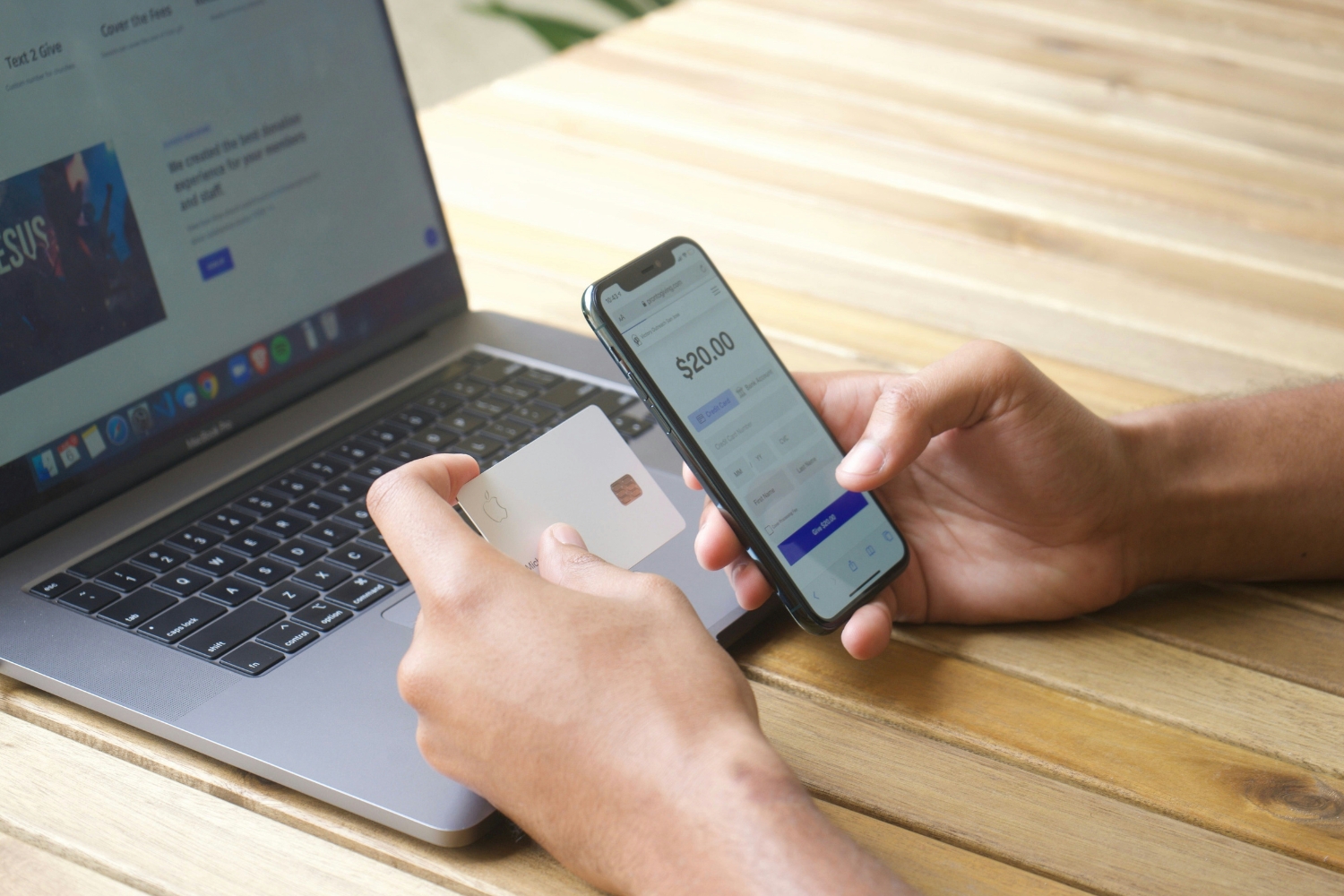
Shopify supports many third-party payment providers. In your Shopify admin, go to Settings > Payments and check which providers are offered for a Pakistan-based store. Local gateways typically handle PKR card payments and bank transfers well, and some also accept internationally issued Visa and Mastercard cards. Ask each provider directly:
- Do you accept foreign-issued cards, and in which currencies?
- What are the transaction, currency conversion and settlement fees?
- How long until funds settle into my Pakistani bank account?
- Which documents do you need, such as NTN, business registration and a bank letter?
- How do you handle chargebacks and fraud screening?
Option 2: International Gateways That Onboard Pakistani Businesses
Some international payment providers have onboarded merchants from Pakistan, settling in USD to an account you can withdraw from. Terms, fees and eligibility change, so confirm current acceptance and Shopify integration before building around one.
Option 3: A Foreign Entity to Accept International Payments Shopify Pakistan Founders Use

Some founders register a company abroad, often a US LLC or UK limited company, open a business bank account there and use Shopify Payments or Stripe through that entity. It unlocks the smoothest checkout, but it is a real business with real obligations.
- Foreign tax filings and annual fees, such as US information returns for foreign-owned LLCs.
- Pakistani tax obligations on the income you earn, depending on your residency.
- Rules on bringing foreign earnings home through banking channels, set by the State Bank of Pakistan.
- Genuine business substance: verification checks can freeze accounts that look like a shell.
Take advice from a tax professional who understands both countries before choosing this route.
Receive Dollars From Shopify in Pakistan
Whichever gateway you use, decide how USD reaches you. Services such as Payoneer provide receiving accounts in major currencies and let you withdraw to a Pakistani bank account. Compare exchange rates and withdrawal fees, which can matter more than headline transaction fees. Keep records of every inward remittance for tax purposes with the FBR.
Set Up the Store for International Buyers
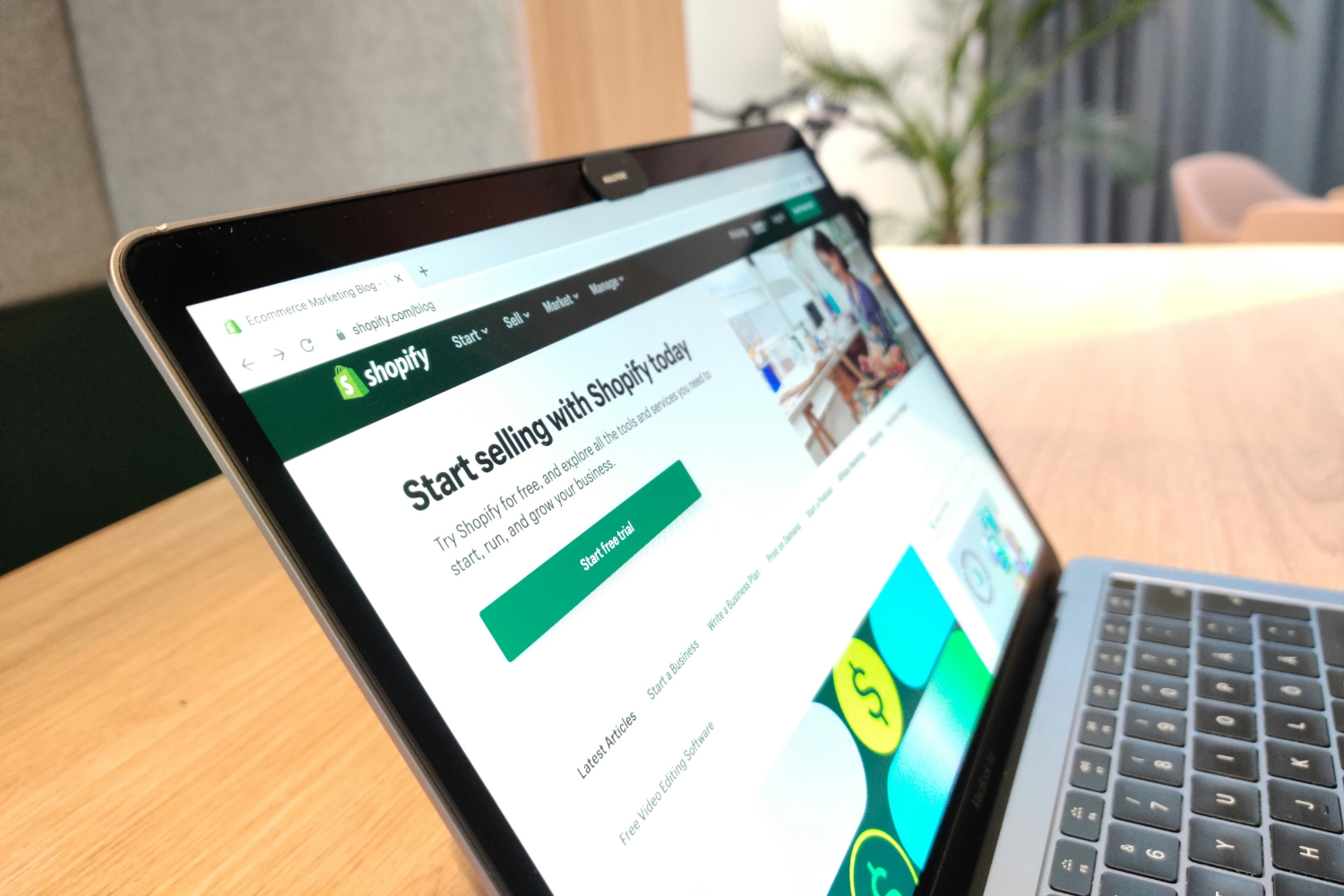
Being able to accept international payments Shopify Pakistan stores rely on is only half the job; the storefront must also reassure foreign buyers.
- Use Shopify Markets to show local currencies and prices for key countries.
- Show total landed cost clearly, including shipping and any duties, to reduce abandoned carts.
- Enable 3-D Secure where your gateway supports it to reduce fraud and chargebacks.
- Publish clear refund, shipping and contact policies; international buyers check them.
Fees to Model Before You Launch
Payment costs stack up quickly on international orders. Put each of these into your margin calculation:
- The gateway’s transaction fee per sale.
- Currency conversion margins on settlement.
- Shopify’s additional transaction fee for third-party gateways, which depends on your plan.
- Payout or withdrawal fees from receiving accounts.
- Chargeback fees and the cost of disputed orders.
Common Mistakes
- Using a friend’s or relative’s foreign account. It breaks gateway terms and can cost you the funds.
- Ignoring conversion fees until margins disappear.
- Launching ads before testing a real international card payment.
- Not keeping documents for remittances and tax.
Which Option Fits You
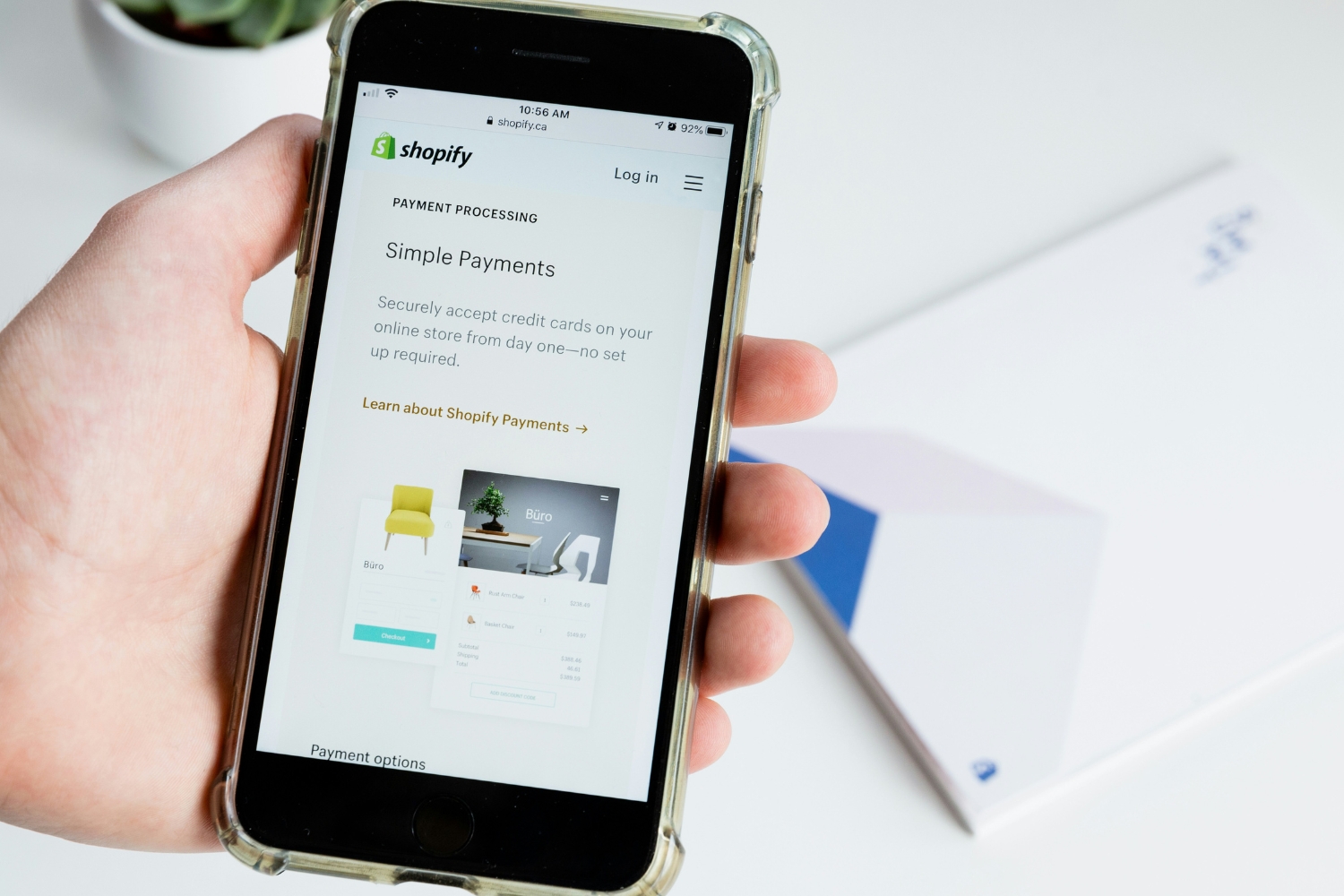
Sellers testing international demand usually start with a gateway that accepts foreign cards from Pakistan. Established brands with steady overseas sales often move to a foreign entity for a better checkout and higher conversion. Either way, the right way to accept international payments Shopify Pakistan businesses choose balances conversion, fees and compliance, not just convenience.
How SMCSE Helps
SMCSE builds Shopify stores for Pakistani brands selling at home and abroad, including gateway setup, Markets configuration and checkout testing. See our Shopify store development service, read why Pakistani businesses are choosing Shopify, or get structuring advice from our consultancy team. Contact us at our website.
FAQs
Is there a way to accept international payments Shopify Pakistan stores can use without Shopify Payments?
Yes. Use a third-party gateway that supports Pakistan-based merchants and accepts foreign cards, or sell through a properly structured foreign entity.
Is Shopify Payments available in Pakistan?
Not at the time of writing. Check Shopify’s supported countries list for updates.
Can I use PayPal or Stripe from Pakistan?
Not as a Pakistan-based merchant at present. Some founders use them through a foreign entity, with the obligations that brings.
How do I receive USD in Pakistan?
Through gateway settlement to a Pakistani bank, or through a receiving account service such as Payoneer, then withdrawal to your local account.
Do I pay tax on international Shopify sales?
Generally, yes. Treatment depends on your structure and residency, so take advice from a qualified tax professional.