
Arguments about WordPress versus custom code usually miss the point. The right choice depends less on technology than on what your business needs from its website right now. This guide frames WordPress vs custom website development by business stage, so you can pick what fits today and recognise when it is time to change.
What Each Option Means
WordPress
An open-source content management system with themes and plugins for almost any feature. W3Techs estimates it powers over 40% of all websites, so developers, hosting and add-ons are easy to find.
Custom Website Development
A site or web application built with a framework such as Laravel, Django or Next.js, where the data model, admin and features are designed for your business. Content can still be managed through a custom admin or a headless CMS.
WordPress vs Custom Website Development at a Glance
Speed to Launch
WordPress wins. A well-built marketing site can go live in weeks; custom builds take longer because more is designed from scratch.
Upfront Cost
WordPress is usually cheaper upfront. Custom development costs more because every feature is built, tested and documented.
Flexibility
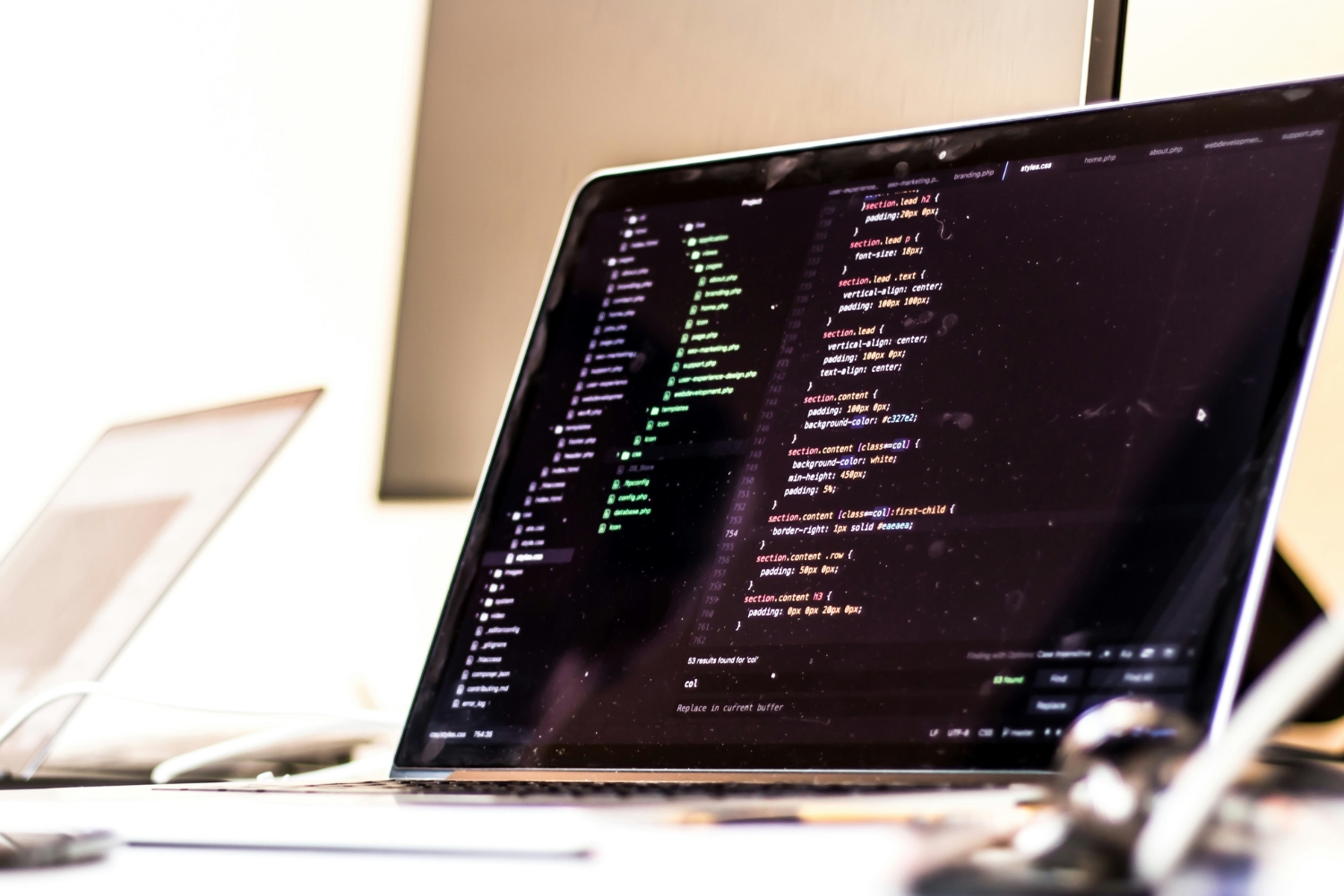
WordPress handles content, blogs, lead forms and standard ecommerce well. Custom code wins when the site is really an application: complex user roles, multi-step workflows, integrations with internal systems or logic no plugin covers cleanly.
Performance
Both can be fast. WordPress performance depends heavily on theme quality, plugin count and hosting; custom sites start lean but still need good engineering. Measure either against Core Web Vitals.
Security and Maintenance
WordPress core is actively maintained, but every plugin adds code you must keep updated. Custom code has a smaller attack surface but depends entirely on your team for updates and reviews. The OWASP Top 10 applies to both.
Ownership
WordPress is portable between developers. Custom code is fully yours but can create dependence on whoever wrote it unless it is well documented.
Choosing by Business Stage
Business stage settles most WordPress vs custom website development decisions more clearly than any feature list.
Early Stage: Prove the Offer
You need credibility, clear messaging and leads, quickly and affordably. WordPress is almost always the right call. Spend the budget on positioning and content, not architecture.
Growth Stage: Scale Marketing
Traffic and content grow, and you add landing pages, integrations and perhaps a store. A custom WordPress theme with a lean set of trusted plugins usually serves well. For online sales specifically, compare it with a dedicated platform such as Shopify.
Scale Stage: The Website Becomes the Product
Customer portals, booking engines, pricing calculators and internal workflows start to dominate. This is where custom development pays off. Many businesses run a hybrid: WordPress for marketing content and a custom application for the product.
When to Move Off WordPress
- Core features depend on plugins stitched together with custom code that breaks on every update.
- You are building application logic, user dashboards or complex data inside WordPress.
- Performance problems persist after hosting and theme optimisation.
- Security or compliance requirements demand tighter control than a plugin ecosystem allows.
- Developers spend more time working around WordPress than with it.
The Middle Path: Headless WordPress
Headless WordPress keeps the familiar editor for content but serves it through the REST API to a custom front end. It suits teams that want editorial ease with front-end speed and flexibility, at the cost of more development complexity.
Hybrid Setups in Practice
A common pattern for growing companies is to keep the marketing site on WordPress, where the content team can publish quickly, and build the logged-in product as a separate custom application on a subdomain or path. Shared design styles and single sign-on keep the experience consistent, while each side evolves at its own pace and budget.
Custom Website vs CMS: Total Cost of Ownership

Compare three years, not launch day. Include hosting, premium plugin licences, maintenance hours, security updates and the cost of changes. In a WordPress vs custom website development comparison, WordPress is often cheaper over three years for content-led sites, while custom work often wins for application-led sites where plugin workarounds keep growing.
Questions to Decide
Before you commit either way on WordPress vs custom website development, answer these.
- Is the website mainly content and leads, or a tool customers use?
- Which features would need custom code even on WordPress?
- Who will edit content day to day, and how technical are they?
- What will it cost to maintain over three years?
- How will search visibility be protected during any rebuild?
How SMCSE Approaches It
SMCSE’s web development team builds both WordPress and custom sites and recommends based on your stage and roadmap, not a preferred stack. Rebuilds include SEO protection so rankings survive the move. See examples at our website or discuss your project with us.
FAQs
Which wins in the WordPress vs custom website development debate?
Neither in general. WordPress fits content-led sites and early stages; custom development fits sites that work as applications.
Is WordPress secure enough for business?
Yes, when core, themes and plugins are kept updated, plugins are chosen carefully and hosting is managed well.
When should I move off WordPress?
When the site’s core value is application logic, plugins cannot handle cleanly, or maintenance costs keep rising because of workarounds.
Will a rebuild hurt my SEO?
It can, if URLs, content and redirects are not planned. A migration plan protects rankings.
Can I use WordPress and custom development together?
Yes. Many businesses use WordPress for marketing pages and a custom app for the product, or run WordPress headless.